EA-Logo-RGB-Master_Yellow-Dark-Grey-Black


Currency

Cart 0

SIGN UP FOR $10 OFF YOUR FIRST ORDER

Sorry, looks like we don't have enough of this product.

Pair with
Estimate shipping
Add order notes
Is this a gift?
Subtotal Free
View cart
Shipping, taxes, and discount codes are calculated at checkout

Your Cart is Empty

Home / Lighting / Driving & light bars
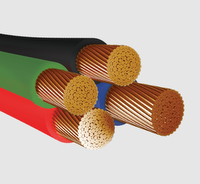
GXL 10 AWG tinned automotive wire — stranded tinned copper conductor, cross-linked polyethylene insulation, sold per metre

Elevate Automotive

10 AWG GXL Tinned Automotive Wire — Per Metre

GXL-10-BK

10 AWG GXL tinned automotive wire. Tinned copper conductor, cross-linked polyethylene insulation, SAE J1128 rated. Sold per metre in a full colour range.

Gauge10 AWG
Max current40A up to 3m
Temp range−40°C to +125°C

$5.80

4 interest-free payments of $1.45 with
or finance your build with
Colour
We accept
Universal fitment12V, 24V, 36V and 48V dual-battery, DC-DC charger, fuse block and lighting circuits. SAE J1128 primary wire is rated up to 60V DC.

Shipping & collection

Worldwide shipping available*
In-store pickup
Professional installation available

*Shipping is calculated at checkout based on your location. Some products can't be delivered to every address.

A 10 AWG GXL tinned automotive wire, sold per metre in a full colour range. Runs high-current DC circuits like dual-battery feeds, DC-DC charger output, fuse block trunk feeds, driving light supply and air compressor wiring. Fits 4WD dual-battery installs, caravan house-side wiring, boat DC panels and workshop bench wiring.

Cross-linked polyethylene insulation with a general-purpose wall, thicker than TXL's extra-thin wall, so it takes more abrasion in chassis runs and engine bays. Stranded tinned-copper conductor resists oxidation in marine and bilge environments. Meets SAE J1128 GXL, rated from −40°C to +125°C, and holds up to petrol, diesel, engine oil and common solvents.

Match the gauge to the current draw and the run length. Under-size the cable and it heats up, drops voltage and eventually fails. Winches, starter motors and big inverters draw 200A or more; they need much heavier cable like 2 AWG or 1/0 AWG, not GXL primary wire.

Cable size guide

Match the AWG to the current draw AND the run length. When in doubt, step up one size.

AWG Max amps at 3m Max amps at 4.5m Max amps at 6m Common uses
10 AWG (this cable) 40A 30A 25A Fridge feeds, DC-DC charger output, air compressors, high-draw driving lights, dual-battery charging
14 AWG 20A 15A 10A Relays, fuel pumps, ignition coils, headlights
18 AWG 10A 7.5A 5A Sensors, LED lighting, switch feeds, signal wires

Winches, starter motors and high-current inverters draw 200A or more and need much heavier cable, 2 AWG to 1/0 AWG (35 mm² to 50 mm²), not GXL or TXL primary wire.

Need a thinner gauge? The other two we sell:
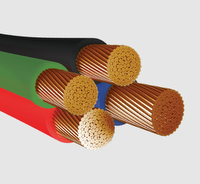
  • Tinned copper — corrosion resistance for marine and bilge use
  • General-purpose XLPE — thicker wall than TXL, extra abrasion resistance
  • SAE J1128 rated — same automotive spec OEMs use
  • −40°C to +125°C — engine bay or chassis run
  • Chemical resistant — oil, fuel and solvents
  • Sold per metre — full colour range for wire ID

Conductor

Gauge: 10 AWG

Material: Tinned copper

Insulation

Material: XLPE (cross-linked PE)

Wall thickness: General-purpose

Resistance: Oil, fuel, abrasion

Current rating

Up to 3m: 40A

Up to 4.5m: 30A

Up to 6m: 25A

Compliance

Standard: SAE J1128 GXL

Temp range: −40°C to +125°C
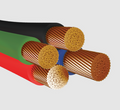
12V, 24V, 36V and 48V dual-battery, DC-DC charger, fuse block and lighting circuits. SAE J1128 primary wire is rated up to 60V DC.
Dual-battery and auxiliary power feeds
DC-DC chargers, fuse blocks and distribution panels
Marine, 4WD and off-grid solar wiring
Low-current signal or sensor wiring. Use 18 AWG, a thinner gauge saves weight and cost.
Household mains wiring. This is DC automotive spec, not AC-rated.

Q: What does 10 AWG actually mean?
AWG = American Wire Gauge, the standard sizing system for automotive and electrical wire. Lower number = thicker wire = more current capacity. 10 AWG is a thick automotive gauge for dual-battery feeds, DC-DC charger wiring and fuse block distribution. 14 AWG steps down for relays and ignition-level loads, 18 AWG is thin (sensors, LEDs).

Q: What does GXL mean, and how is it different from TXL?
Both are wire construction specs under SAE J1128 using the same cross-linked polyethylene (XLPE) insulation. The difference is wall thickness: GXL uses a general-purpose wall, thicker than TXL's extra-thin wall, which gives it more resistance to abrasion and cuts at the cost of a slightly larger outer diameter. Ours is also tinned-copper for extra corrosion resistance, making it a good pick for chassis runs, engine bays and marine or bilge environments where a thinner wall would wear faster.

Q: What does SAE J1128 actually cover, does it include IP rating or corrosion resistance?
SAE J1128 is the automotive-industry standard for primary wire, everything the wire itself needs to survive under a bonnet. To meet it, the wire is tested and rated for: voltage (rated up to 60V DC, so it covers 12V, 24V, 36V and 48V systems); temperature (−40°C to +125°C without going brittle or softening); chemical resistance (insulation doesn't crack when exposed to petrol, diesel, engine oil, brake fluid, transmission fluid or ethanol); flame retardance; and minimum insulation thickness plus strand construction per gauge. What it does NOT cover: IP ingress rating (that's IEC 60529, a separate spec for enclosures and connectors, a bare wire has no IP rating on its own); salt-spray corrosion (comes from the tinned copper conductor plus the terminals and boots you crimp on, not the J1128 wire spec itself); and UV rating for permanent outdoor exposure. Short version: J1128 covers the wire; you spec sealed connectors and adhesive-lined heat-shrink separately for weatherproof terminations.

Q: Can I use 10 AWG for a full dual-battery setup?
For most DC-DC and dual-battery feeds under 40A on runs up to 3m, yes. Longer runs or higher-draw setups (winches, big inverters, 200A+ loads) need much heavier cable like 2 AWG to 1/0 AWG, not GXL primary wire. Check your DC-DC or inverter's rated current and run length against the size guide above before wiring.

Q: How is this sold, per metre or on a spool?
Sold per metre. Order the quantity you need per colour, no minimum, no fixed spool sizes.

Q: What's the temperature range?
−40°C to +125°C, so it holds up in the engine bay, chassis runs and marine bilges as well as the cabin. Insulation resists oil, fuel and common solvents.

Q: What crimp terminals fit 10 AWG?
Standard 12–10 AWG terminals, usually yellow-coded on insulated terminal ranges. Non-insulated (open barrel) OEM-style terminals or lugs need to be matched to the exact wire cross-section (5.26 mm² for 10 AWG).

Q: Is this bare copper or tinned copper?
Tinned. The strands are electroplated with a thin tin coating over the copper, which stops oxidation from air, moisture and salt spray. Bare copper corrodes into a green oxide layer over time in marine and bilge environments, which increases resistance and heats the connection. Tinned copper looks silver rather than orange when you strip the insulation. Costs a little more upfront; lasts a lot longer in wet or salty environments.

Join our community.