EA-Logo-RGB-Master_Yellow-Dark-Grey-Black


Currency

Cart 0

SIGN UP FOR $10 OFF YOUR FIRST ORDER

Sorry, looks like we don't have enough of this product.

Pair with
Estimate shipping
Add order notes
Is this a gift?
Subtotal Free
View cart
Shipping, taxes, and discount codes are calculated at checkout

Your Cart is Empty

Home / Lighting / Driving & light bars
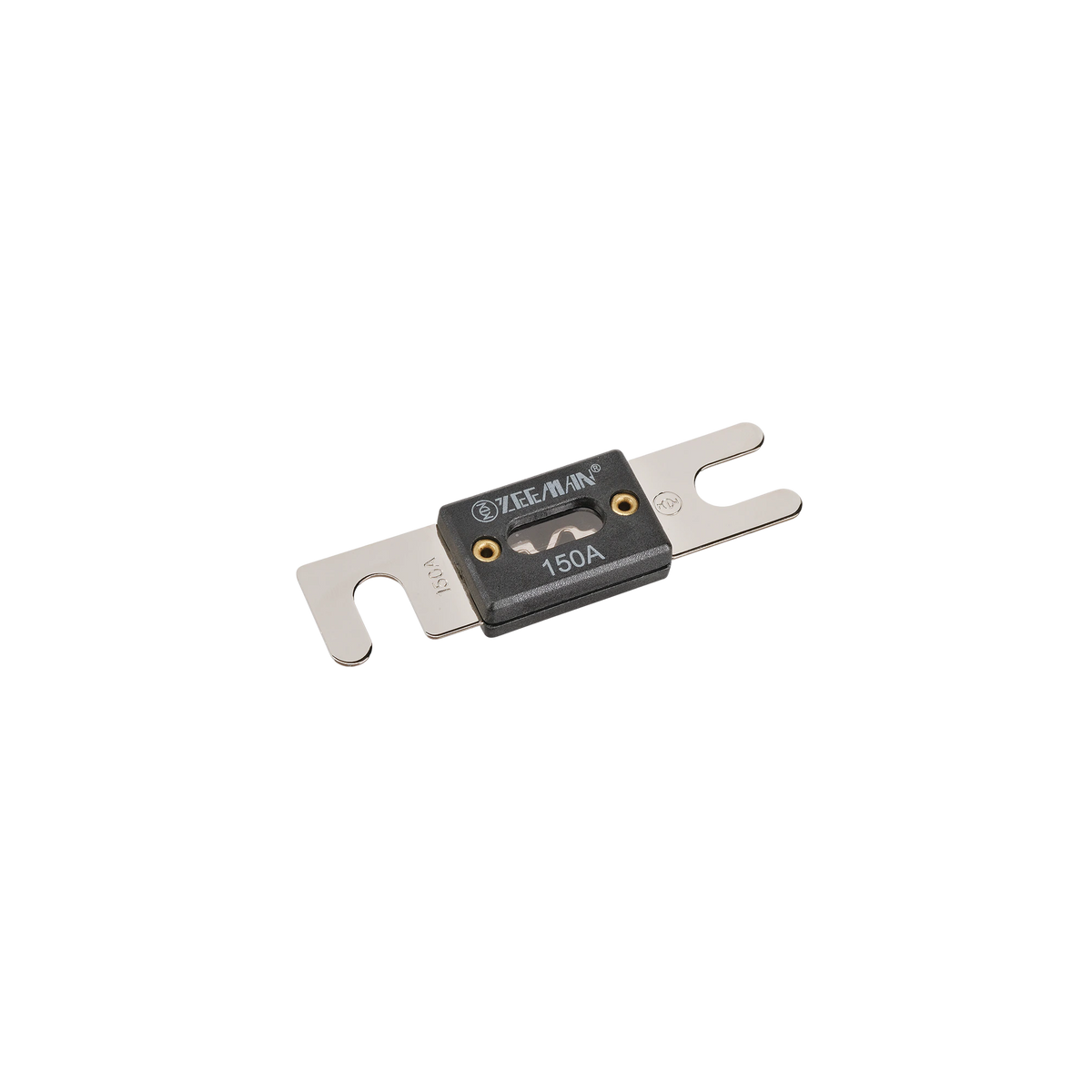
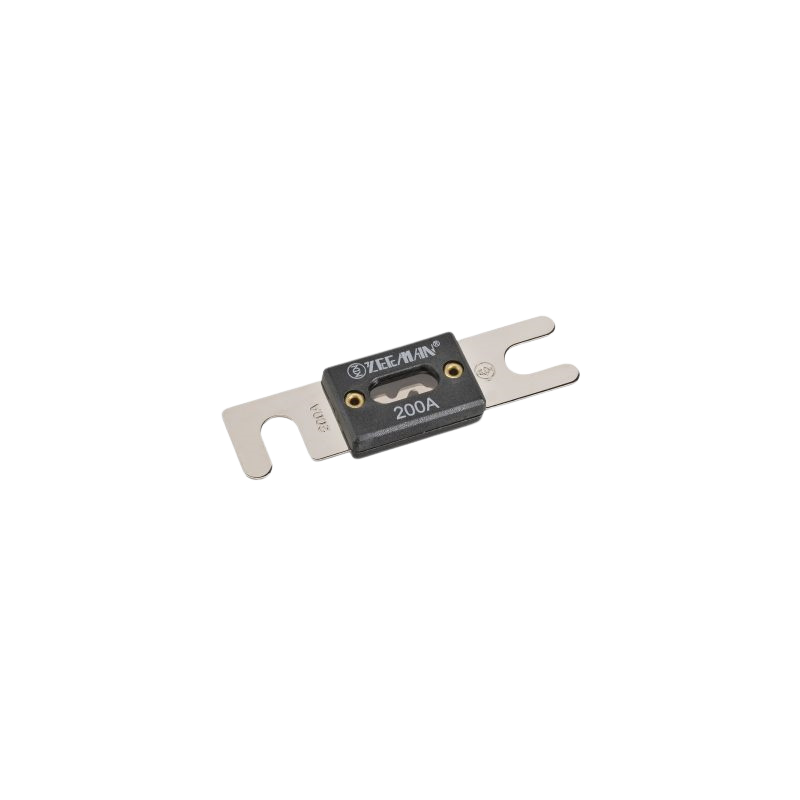
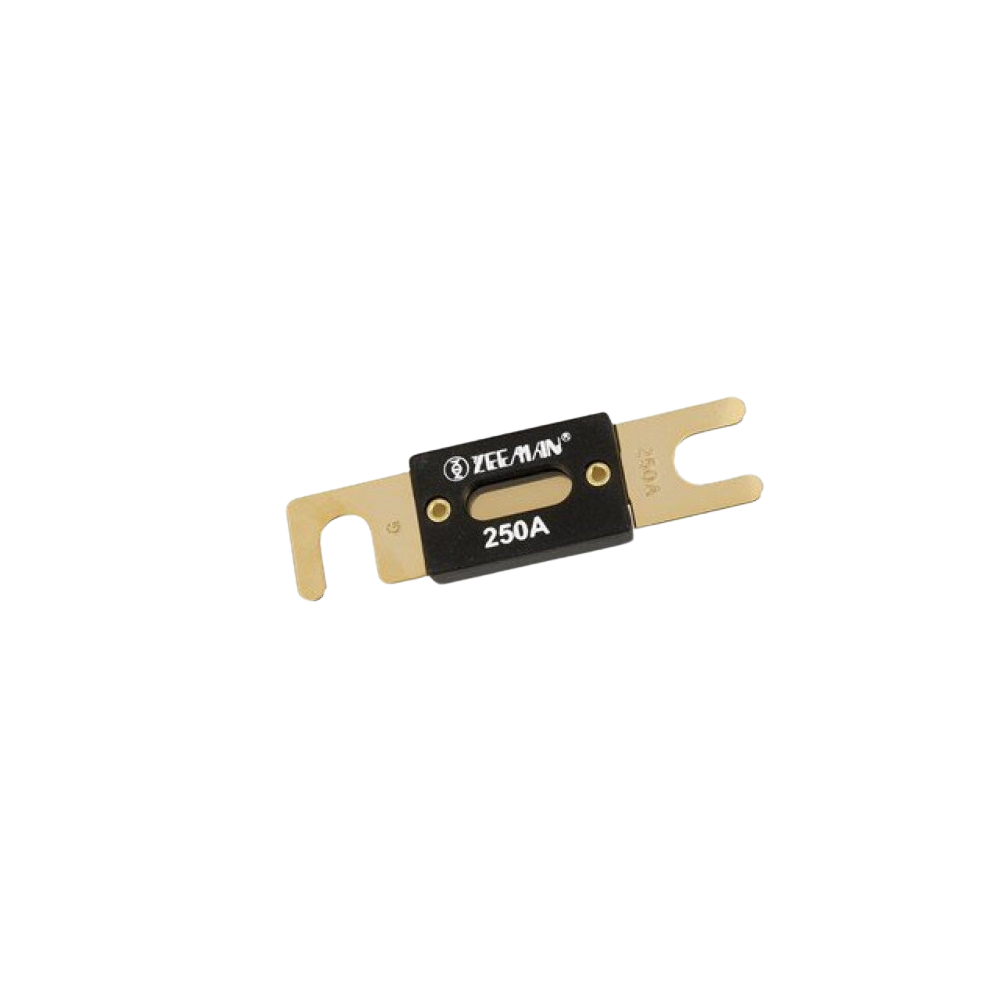
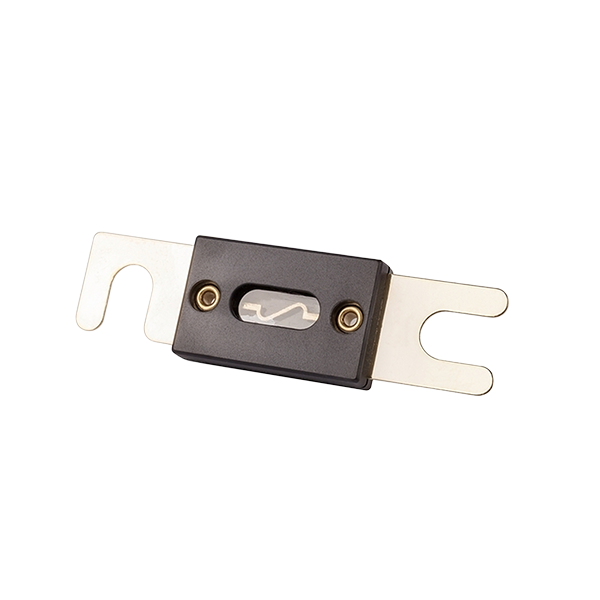
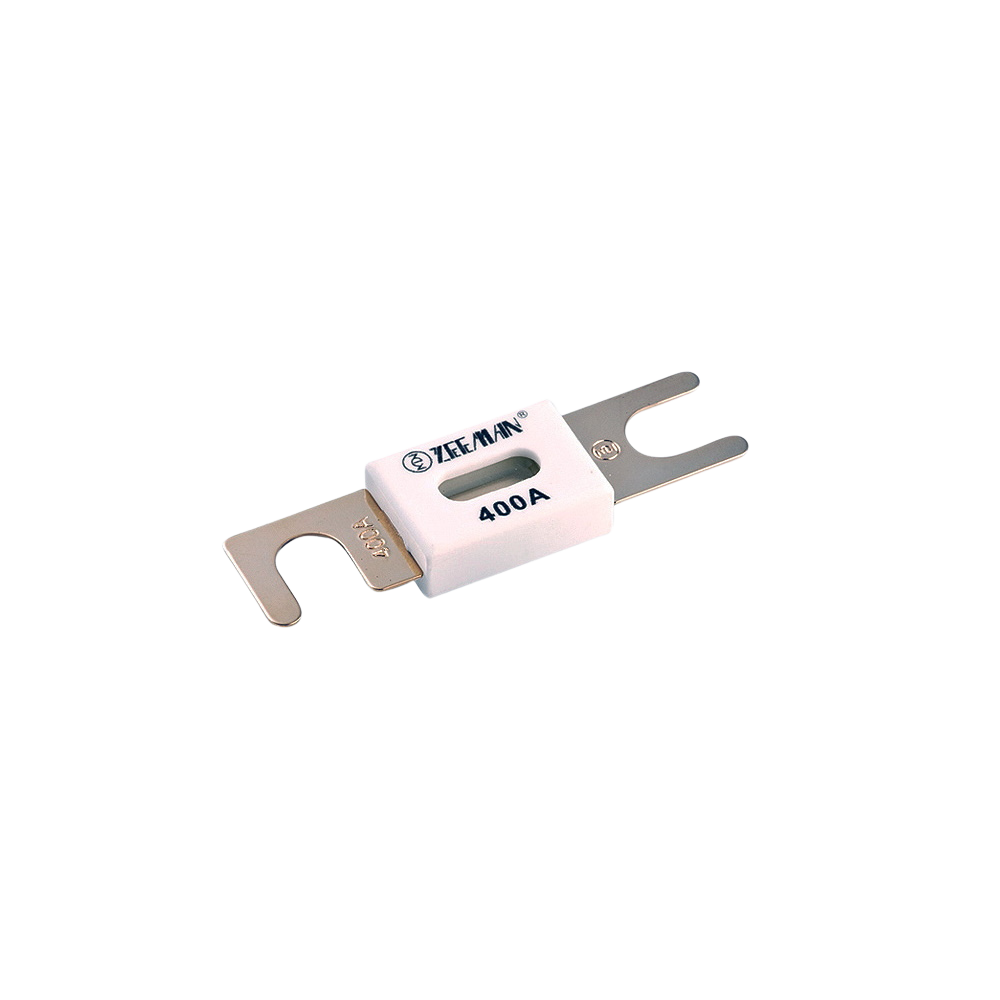
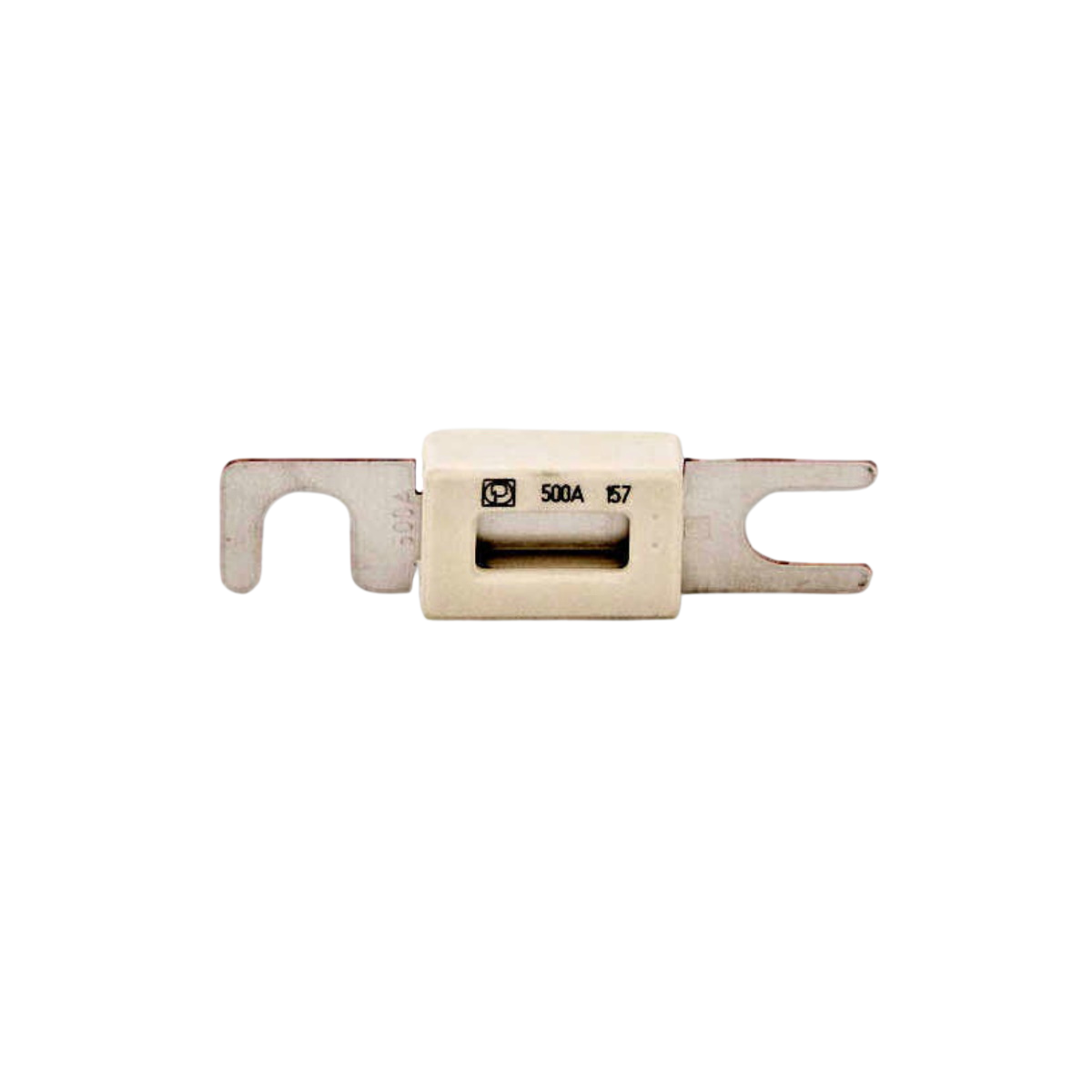
ANL bolt-down cartridge fuse hero shot. Two stud terminals on 89mm centres, ceramic body, tin-plated blades. 150A to 500A range for 12V, 24V, 36V and 48V DC alternator mains, winch feeds and inverter circuits over 2500W. Inferred from product design, not visually confirmed this run.ANL bolt-down cartridge fuse showing the two stud terminals and ceramic body from a side angle. Fits any ANL holder or bus bar with 89mm stud centres. 12V, 24V, 36V and 48V DC compatible. Inferred from product design, not visually confirmed this run.ANL bolt-down cartridge fuse with the amperage stamp visible on the body. Time-delay response for winches, inverters and alternator mains. Inferred from product design, not visually confirmed this run.ANL bolt-down cartridge fuse close-up showing the ceramic body construction and tin-plated blade terminals. 80V DC rated, time-delay. Inferred from product design, not visually confirmed this run.ANL bolt-down cartridge fuse product pack. 150A to 500A range for 12V, 24V, 36V and 48V DC circuits. Alternator mains, winches, inverters above 2500W. Inferred from product design, not visually confirmed this run.ANL bolt-down cartridge fuse three-quarter view showing terminal spacing and body dimensions. Two studs on 89mm centres, standard ANL footprint. Inferred from product design, not visually confirmed this run.

Elevate Automotive

ANL Bolt-Down Fuses — 150A to 500A

ANL-150

Bolt-down ANL cartridge fuses from 150A to 500A. Time-delay, 80V DC, ceramic body. For alternator mains, dual-battery trunk feeds, winches and large inverters.

$16.00

4 interest-free payments of $4.00 with
or finance your build with
Current
We accept
Universal fitmentBolt-down ANL cartridge fuse for very-high-current DC circuits.

Shipping & collection

Worldwide shipping available*
In-store pickup
Professional installation available

*Shipping is calculated at checkout based on your location. Some products can't be delivered to every address.

ANL fuses are the bolt-down cartridge fuses that pick up where MEGA leaves off. Two studs on 89mm centres hold the fuse to a bus bar or fuse block, and the ceramic body handles the fault currents that a plastic-bodied MEGA is not designed for. Common on alternator-to-house-battery mains, dual-battery trunk feeds, winches, and inverters above 2500W.

This range covers 150A up to 500A in the standard ANL footprint. Rated to 80V DC, so 12V, 24V, 36V and 48V systems are all covered.

Size guide

Match the fuse to the cable, not to the load. The cable is what catches fire if the current runs away, so a 200A load on a cable rated 250A takes a 200A fuse, not a 250A one.

Amperage Typical cable Common uses at 12V
150A 2 AWG / 33mm² Alternator sub-feeds, 2000W inverters
200A 1/0 AWG / 50mm² Alternator mains, 2500W inverters
250A 2/0 AWG / 70mm² Light-end winches, heavy alternator mains
300A 3/0 AWG / 85mm² Heavy winches, large inverters
500A 4/0 AWG / 107mm² Heavy-duty winches, very large inverters, high-current dual-battery mains

Standard ANL is not the right fuse to sit directly on a LiFePO4 battery. A lithium bank can push tens of thousands of amps for an instant under a bolted fault, and ANL does not carry a high enough interrupting rating to clear that safely. Use a Class T fuse on the battery side of a lithium bank, and use ANL downstream of it.

Related in our range
  • Very-high-current cartridge — carries loads MEGA cannot
  • Ceramic body — handles fault heat without deforming
  • Time-delay response — survives inverter and winch inrush
  • 80V DC ceiling — covers 12V, 24V and up to 48V systems

FormatANL bolt-down cartridge

Amperage150A to 500A

Voltage rating80V DC

ResponseTime-delay

Stud centres89mm

BodyCeramic, tin-plated terminals
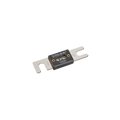
Bolt-down ANL cartridge fuse for very-high-current DC circuits.
12V and 24V automotive, marine, caravan, 4WD and off-grid DC systems
Alternator mains, dual-battery trunk feeds, winches, inverters over 2500W
Not for use as the primary battery-side fuse on a LiFePO4 bank (use Class T instead)
Not for 240V AC mains circuits
Not for currents below 100A — use MEGA or MIDI instead

Q: What does ANL actually mean?
ANL is a bolt-down cartridge fuse format built for very high DC currents, first popularised in the marine industry. Two studs on 89mm centres hold the fuse to a bus bar or dedicated ANL holder. The ceramic body handles the heat of clearing hundreds of amps without deforming, which is why ANL is the format of choice on alternator mains, winches, and inverter feeds above 2500W.

Q: How do I pick the right amperage?
Size the fuse to the cable, not to the load. Every cable has a rated current-carrying capacity, and the fuse must blow before the cable overheats. A 200A load on 1/0 AWG cable takes a 200A fuse. A 300A load on 3/0 AWG cable takes a 300A fuse. The size guide above pairs each ANL rating with the cable it protects and the loads it typically handles at 12V.

Q: ANL vs MEGA vs Class T, which do I need?
MEGA covers 40A to 500A on a smaller footprint and is fine for most auxiliary circuits and inverters up to about 2500W. ANL covers 35A to 750A on a larger footprint with a ceramic body, and is the go-to for alternator mains, winches, and heavy inverters. Class T looks similar to ANL but carries a 20,000A interrupting rating, and is the only DC fuse rated to safely clear a LiFePO4 battery-bank short.

Q: Can I use these on a lithium battery bank?
Not as the primary battery-side fuse. LiFePO4 banks can deliver a short-circuit current of tens of thousands of amps for an instant, and ANL does not carry a high enough interrupting rating to clear that safely. Use a Class T fuse on the battery side of a lithium bank. ANL is fine downstream on individual loads.

Q: Are these time-delay fuses?
Yes. ANL cartridges are time-delay by design. The element mass takes long enough to reach melting temperature that a short inrush current (a winch pulling free of a stall, an inverter switching on, a fridge compressor starting) does not blow the fuse, but a sustained overload or short circuit still trips it well before the cable is damaged.

Q: Do I need a specific holder?
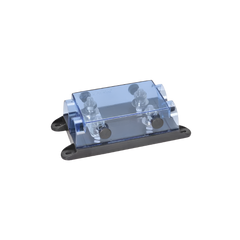
Yes, ANL needs an ANL holder or a bus bar with two studs on 89mm centres. The bolt spacing is different from MEGA (which is closer together) and MIDI (which is closer again), so the three formats are not interchangeable in the same holder. See the Related section for the twin ANL holder we pair with these fuses.

Q: What size cable do I need for a winch?
Winches typically draw 200A to 500A under load depending on the drum size and how hard they are working. A common Ozzy pairing is a 250A ANL on 2/0 AWG cable for a light-duty setup, or 300–500A ANL on 3/0 to 4/0 AWG for heavier work. Run the fuse close to the battery so the whole cable is protected, not just the far end.

Q: Can I upsize the fuse if it keeps blowing?
No. A fuse that keeps blowing is telling you the circuit is drawing more current than the cable is rated for. Upsizing the fuse defeats the point of having one and lets the cable become the fuse instead. Find the cause (a bad connection, a stalled winch, a fault to chassis) or upsize the cable and the fuse together.

Q: What voltage systems do these cover?
Rated to 80V DC, so 12V, 24V, 36V and 48V systems are all covered. That includes standard vehicle systems, larger house-battery setups, and off-grid inverters up to 48V nominal.

Q: Can I use these on 240V AC mains?
No. ANL is a DC-only fuse. 240V AC circuits need HRC fuses or RCBOs installed by a licensed electrician under AS/NZS 3000. Elevate is EC17073 (Building & Energy WA) if you need that side of the work done properly.

Join our community.