EA-Logo-RGB-Master_Yellow-Dark-Grey-Black


Currency

Cart 0

SIGN UP FOR $10 OFF YOUR FIRST ORDER

Sorry, looks like we don't have enough of this product.

Pair with
Estimate shipping
Add order notes
Is this a gift?
Subtotal Free
View cart
Shipping, taxes, and discount codes are calculated at checkout

Your Cart is Empty

Home / Lighting / Driving & light bars
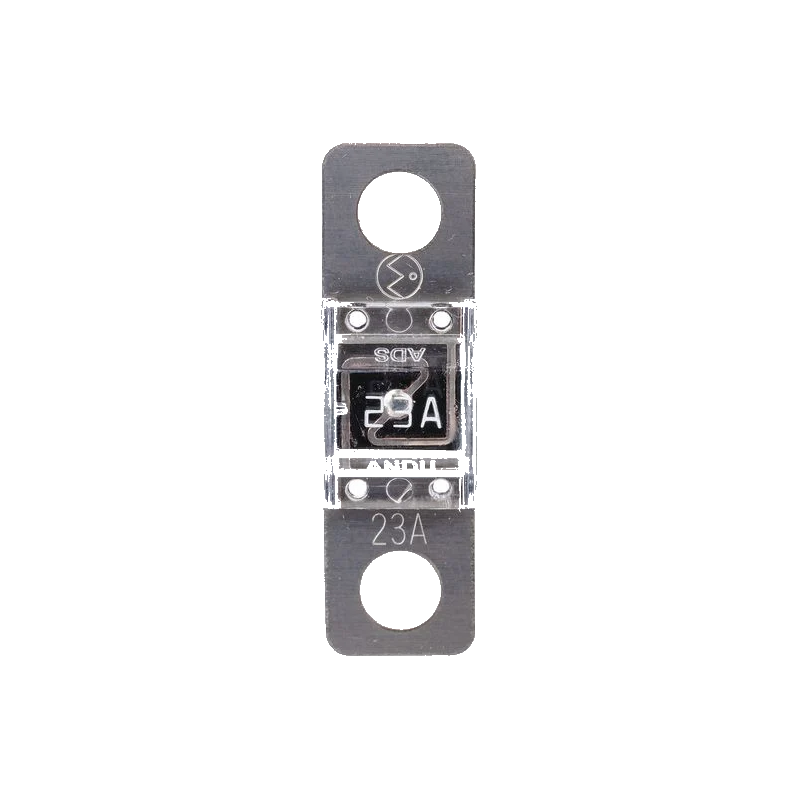
MIDI (AMI) 23A slow-blow bolt-in fuse. Mid-size ISO 8820-3 automotive fuse for 12V and 24V high-current auxiliary circuits, sized between blade fuses and MEGA. Slow-blow curve tolerates motor and compressor inrush without nuisance-tripping. Rated to 32V DC with 1000A interrupt capacity. Inferred from product design, not visually confirmed this run.

Elevate Automotive

MIDI Fuse — 23A Slow Blow

ELF23

A 23A slow-blow MIDI fuse rated to 32V DC. Sits between standard blade and MEGA in size, protects mid-current auxiliary feeds without nuisance-tripping on inrush.

Rating: 23A
Type: MIDI (AMI)
Voltage: Up to 32V DC

$8.00

4 interest-free payments of $2.00 with
or finance your build with
We accept
Universal fitmentSlow-blow MIDI (AMI) fuse for 12V and 24V DC high-current auxiliary circuits.

Shipping & collection

Worldwide shipping available*
In-store pickup
Professional installation available

*Shipping is calculated at checkout based on your location. Some products can't be delivered to every address.

A single-rating 23A MIDI slow-blow fuse for 12V and 24V high-current DC circuits. MIDI (also called AMI) is the mid-size bolt-in fuse family that sits between blade fuses and MEGA fuses, and 23A is a useful in-between rating for auxiliary equipment that draws more than a standard blade can carry but well under the 60A and higher MIDI ratings.

Slow blow means the fuse tolerates the brief inrush current a motor or compressor pulls at startup without nuisance-tripping, then still opens the circuit if a genuine overload holds. Combine it with a MIDI fuse holder to build a compact protected feed.

You'll also need

A MIDI fuse holder to mount it. We stock single and multi-position options.
  • Slow blow — ignores harmless inrush current
  • Bolt-down MIDI — vibration proof against knocks
  • 32V DC rated — fits 12V and 24V vehicle systems
  • Tin-plated copper — low resistance, resists corrosion
  • ISO 8820-3 — standard MIDI form factor

Electrical

Amperage 23A

Voltage Up to 32V DC

Speed Slow blow

Interrupt rating 1000A at 32V DC

Physical

Fuse type MIDI (AMI)

Standard ISO 8820-3

Body Nylon fibre

Element Tin-plated copper
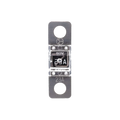
Length: 40mm

Width: 10mm

Height: 10mm

Slow-blow MIDI (AMI) fuse for 12V and 24V DC high-current auxiliary circuits.
12V, 24V and 32V DC systems (rated to 32V DC per ISO 8820-3)
48V DC systems (needs a 58V-rated MIDI fuse or Class T fuse)
240V AC mains (needs an HRC or ceramic mains-rated fuse)

Q: What does MIDI fuse actually mean?
MIDI (also called AMI) is a mid-size bolt-in automotive fuse standardised under ISO 8820-3. It sits between blade fuses (up to 30A) and MEGA fuses (up to 500A) in current-handling capacity, typically covering 30A up to 200A. Bolt-down means it stays put under vibration, unlike a push-in blade fuse.

Q: What does slow blow mean?
Slow blow fuses tolerate a brief burst of current above rating, then open the circuit if the overload holds. This suits motors, compressors and DC-DC chargers that pull a big inrush at startup but then settle to a lower steady draw. A fast-acting fuse in the same spot nuisance-trips on every startup.

Q: Why 23A rather than a round number?
23A is an in-between rating that suits circuits drawing more than a 20A blade fuse can safely carry but well under what a 30A or 40A MIDI covers. It is a common spec for factory-installed accessory fuses on some European and Japanese vehicles, where the OEM engineer sized the fuse tightly to the actual expected load.

Q: What holder do I need?
Any MIDI-format bolt-down holder with 30-80A stud spacing. A single-position holder is fine for one protected feed; a twin or multi-position holder is neater for a bank of fuses on one panel.

Q: What voltage is this rated to?
32V DC per ISO 8820-3. That covers 12V and 24V vehicle systems with margin. It is not rated for 48V DC systems, which need a 58V-rated MIDI or a Class T fuse. It is not rated for 240V AC mains work.

Q: What is the interrupt rating?
1000A at 32V DC. Interrupt rating (also called AIC) is the maximum fault current the fuse can safely break without arcing over. For lead-acid vehicle batteries and small lithium banks that headroom is fine. Large LiFePO4 banks with short-circuit currents in the tens of kiloamps need a Class T fuse instead.

Q: Can I use a MIDI where a MEGA is fitted?
No, they are physically different. MIDI holds two bolts spaced 30mm apart; MEGA has larger bolts spaced 46mm apart and a bigger body. The two do not swap. Match the fuse to whatever the holder was designed for.

Q: How do I know if a MIDI fuse has blown?
Most MIDI fuses have a clear window over the element. Hold it up to light and look for a broken metal strip inside. A multimeter across the two bolt holes reads open circuit if the fuse is blown, or near-zero ohms if it is intact.

Q: Do I need to torque the bolts?
Snug but not gorilla-tight. Overtorquing crushes the fuse tab and creates a hot joint that will fail later. If your holder supplier publishes a torque figure follow it; otherwise a firm hand-tight with a small spanner is right.

Join our community.